
Office Catering and Food Safety: What Every Workplace Should Know
The practical facts behind safer lunches, happier teams and a better workplace environment.
Confidence Starts with Food Safety.
Foodborne illness affects more people than you might think.
The Food Standards Agency estimates that foodborne disease causes around 2.4 million illnesses and more than 16,000 hospitalisations across the UK each year. These figures cover every setting, not just workplaces, but they are a useful reminder of why good food safety systems matter. For workplace teams, choosing an office catering partner with clear, well-managed processes means greater confidence and one less thing to worry about.
Most office lunches are enjoyed without a second thought—and that's exactly how it should be.
Behind every seamless lunch delivery should be a carefully managed process covering ingredients, allergens, cooking, chilling, transport and delivery.
When something does go wrong, however, the consequences can be serious. An unanswered allergen question can put an employee at risk, while poor temperature control can quickly turn a valued workplace perk into lost productivity, concerned colleagues and difficult conversations.
Why Food Safety Matters to the Workplace Experience.
Food has become an essential part of today's workplace experience. A great lunch encourages colleagues to step away from their desks, spend time together and feel genuinely looked after. For hybrid teams, it also gives people another reason to come into the office.
That positive experience disappears quickly if employees lose confidence in the food they're being served. People need to know their dietary requirements have been understood, allergen information is accurate and every meal has been handled safely from kitchen to office.
Choosing an office catering company isn't simply about menus, delivery times or minimum orders. It's about selecting a partner with the systems, expertise and standards to deliver safe, reliable food every time.
Free download: Office Catering Food Safety Checklist
Assess your catering partner with confidence using our practical two-page checklist covering allergens, food safety systems, temperature control and traceability.
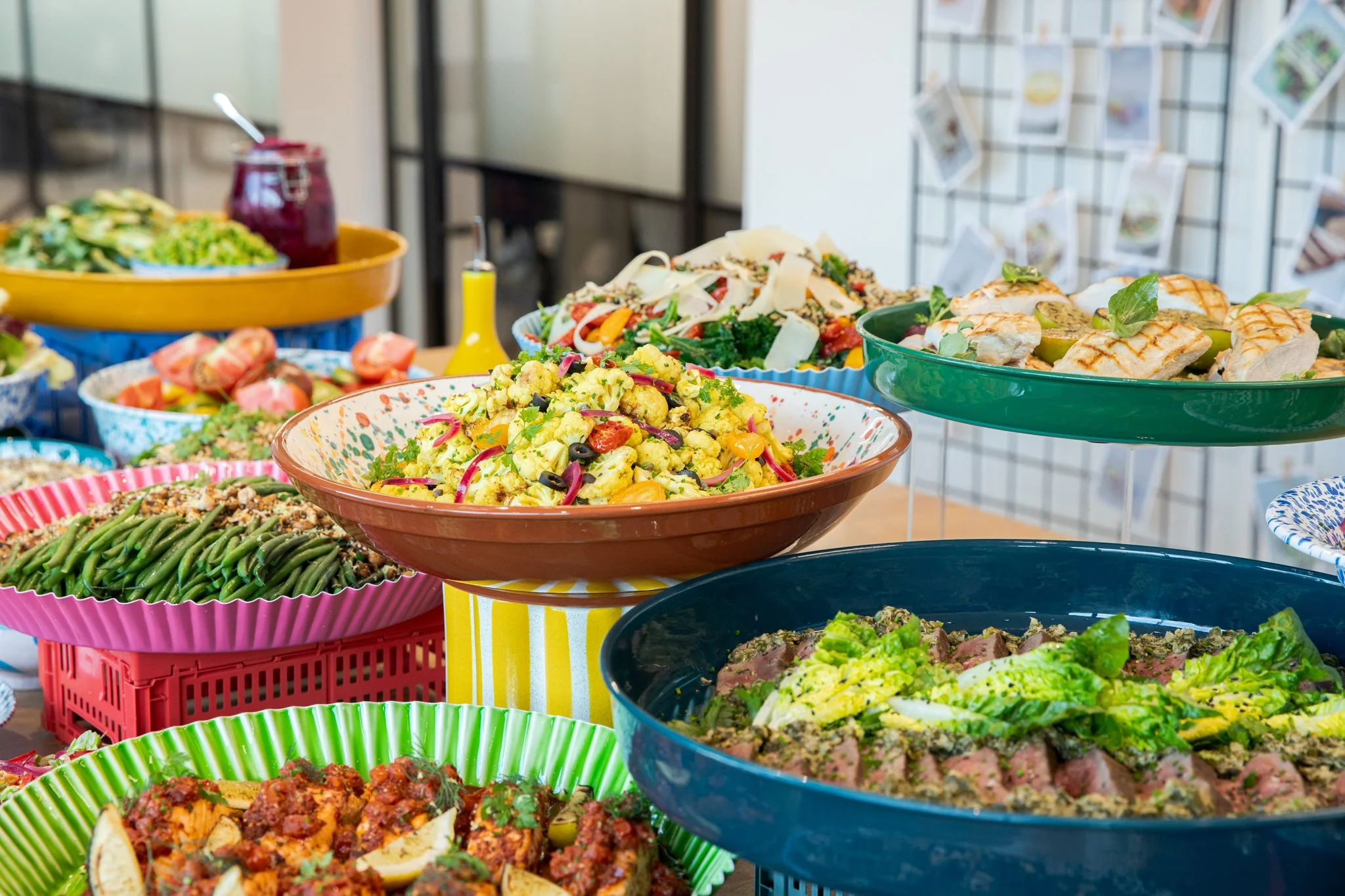
Behind every beautiful buffet is a rigorous food safety process.
Four Food Safety Facts Every Office Catering Buyer Should Know
You don't need to become a food safety expert to ask the right questions. These four facts provide a useful starting point when choosing an office catering provider.
Chilled Food: 8°C or Below
In England, Wales and Northern Ireland, food requiring chilled storage should normally be kept at 8°C or below. Most professional kitchens set refrigerators closer to 5°C, providing a safety margin when doors are opened or temperatures fluctuate.
Hot Food: 63°C or Above
Where hot food isn't served immediately, it should generally be maintained at 63°C or above. This is particularly important for buffets and staggered lunch services where dishes remain available for extended periods.
Buffets: Four Hours Chilled, Two Hours Hot
Food requiring refrigeration can remain outside chilled storage for up to four hours before it must be discarded.
Hot food should normally remain above 63°C. If temperatures fall below this, food can remain there for a maximum of two hours before it must either be cooled rapidly to 8°C or below or safely disposed of.
These are maximum legal limits rather than serving targets. A professional workplace catering company should carefully monitor both temperatures and serving times, ensuring food is removed when those limits are reached. Simply topping up a buffet platter doesn't restart the clock.
Allergens: The 14 You Need to Know
UK food businesses must provide information whenever one of the 14 regulated allergens is present.
For office catering, that information must remain accurate throughout the entire journey—from recipe development and production to labelling, delivery and answering employee questions.
The 14 regulated allergens are:
Celery
Cereals containing gluten
Crustaceans
Eggs
Fish
Lupin
Milk
Molluscs
Mustard
Peanuts
Sesame
Soybeans
Sulphur dioxide and sulphites
Tree nuts
It's also important to remember that labels such as vegan, gluten-free and dairy-free are not interchangeable. A vegan dish may still contain allergens including gluten, sesame, soya or nuts. A professional catering supplier should always explain ingredients, cross-contact risks and the limits of any claims they make.
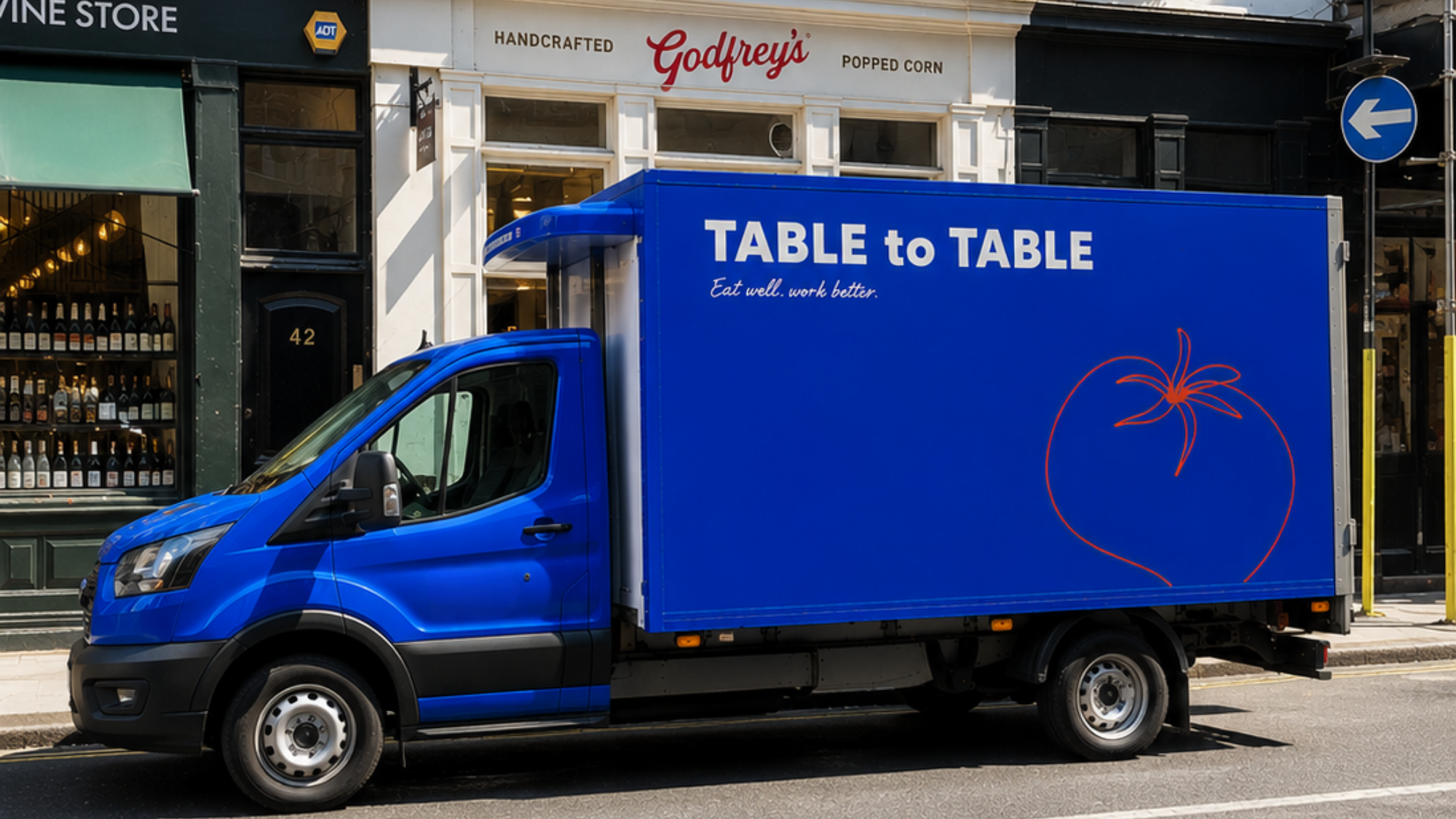
Protecting food quality and safety every step of the journey.
Quick Food Safety Facts
The temperature range between 8°C and 63°C is known as the "danger zone", where bacteria can multiply rapidly.
Food should only ever be reheated once, and it should be piping hot throughout.
Commercial fridges are generally set to around 5°C to provide a safety margin.
"Vegan" does not mean allergen-free.
Prepacked for Direct Sale (PPDS) food must carry a full ingredients list with regulated allergens clearly highlighted.
If food is regularly prepared and served within your workplace, you may need to register with your local authority.
What to Ask Your Office Catering Company
Food safety can sound technical, but the questions are refreshingly straightforward. A reputable supplier should welcome them and be able to support every answer with clear evidence.
1. How Do You Manage Allergens?
Start with the question every employee wants answered:
"Can I safely eat this?"
Your catering partner should maintain up-to-date allergen information for every menu item and have robust procedures for updating that information whenever recipes or ingredients change.
They should also explain how cross-contact risks are managed during storage, preparation, packing and delivery.
Be cautious of vague promises such as "we cater for everyone." Instead, look for clear written information, transparent processes and a knowledgeable contact who can answer questions before food arrives.
How we do it at Table to Table
We use Kafoodle, a specialist recipe and allergen management platform, to maintain approved recipes, update allergen information in real time and communicate it clearly to our clients.
2. Is There a Documented Food Safety System?
Professional office catering companies should operate within a documented Food Safety Management System (FSMS) built around HACCP (Hazard Analysis and Critical Control Point) principles.
Rather than reacting to problems after they occur, HACCP identifies potential risks in advance and puts preventative controls in place throughout the entire catering process—from supplier approval and food deliveries through to preparation, cooking, packing, transport and final delivery.
How we do it at Table to Table
Our processes operate within Compass Group UK & Ireland's HACCP-based food safety framework, supported by documented controls, governance and regular auditing. Our dedicated HSE Manager, Simona Bianco, provides specialist oversight while working closely with operational teams to continually monitor and improve food safety standards.
3. How Are Food Temperatures Checked?
One of the biggest food safety risks is allowing food to enter the "danger zone", where bacteria can multiply rapidly. That's why temperature monitoring is one of the foundations of professional office catering.
A reputable catering company should check temperatures when ingredients are received, store chilled and frozen products within safe ranges, verify cooking temperatures using calibrated probes, record temperatures throughout production and monitor food before it leaves the kitchen.
How we do it at Table to Table
Our chefs use calibrated probe thermometers to verify cooking and cooling temperatures. Every order is temperature checked before leaving our kitchen, with additional checks recorded during transportation and on arrival to provide a complete audit trail.
We also use Checkit, an intelligent monitoring system that continuously monitors our refrigeration and hot-holding equipment. If temperatures fall outside safe limits, our team is alerted immediately so action can be taken before food safety is compromised.
4. Can You Trace Ingredients if Something Goes Wrong?
If an ingredient is recalled tomorrow, your catering supplier should be able to identify exactly which recipes, batches and deliveries were affected.
Effective traceability connects approved suppliers, ingredient batches, recipes, production dates, shelf life and delivery records, enabling swift action whenever it's needed.
As our HSE Manager, Simona Bianco, explains:
"Good traceability is about control, transparency and trust. It means knowing where our ingredients come from, how they have been handled and being able to act quickly if something goes wrong. My role is to ensure that our processes are robust, effective and continually reviewed, while exploring new technologies that can help us protect our customers and keep our food safe."
How we do it at Table to Table
Ingredients are sourced through approved suppliers supported by Foodbuy and Compass Group UK & Ireland's Vendor Assurance Team. Suppliers undergo risk-based approval processes designed to assess food safety, quality, traceability and compliance. Combined with Kafoodle, this allows us to trace ingredients quickly and accurately back to their source.
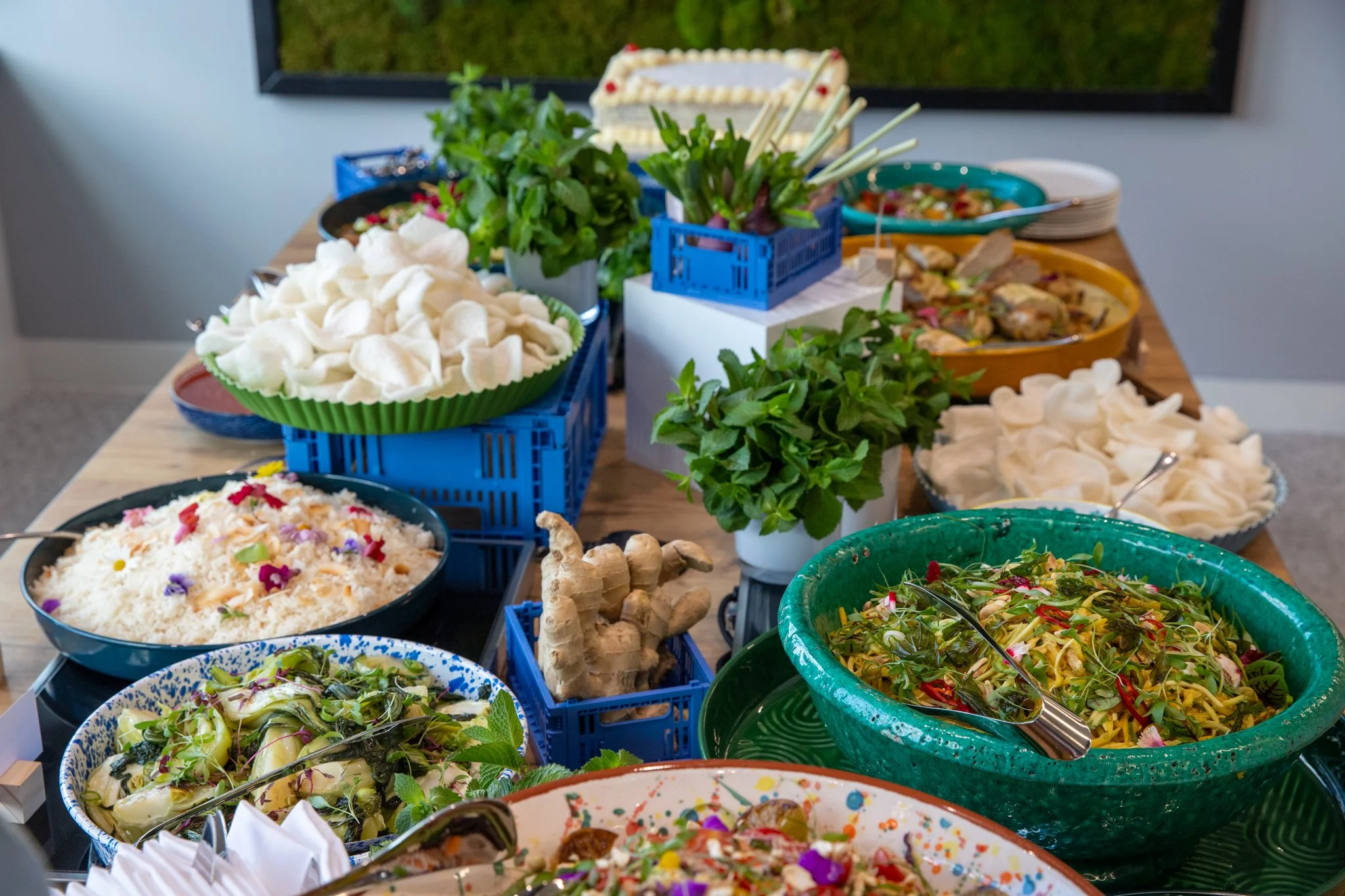
Where exceptional food meets exceptional food safety.
5. How Are Teams Trained and Standards Checked?
A written process is only effective if people understand it and follow it consistently.
Ask how often employees receive food hygiene and allergen training, how frequently that training is refreshed and how managers assess competency in day-to-day operations.
Training records, routine observations, audits and corrective actions all demonstrate that food safety is embedded in a company's culture—not simply documented for inspections.
How we do it at Table to Table
Every colleague receives training appropriate to their role, including food safety, allergen awareness and health and safety requirements. Managers receive additional role-specific training, while refresher sessions, supervision, team briefings and practical competency checks help maintain consistently high standards across our operation.
Choosing Office Catering in London with Confidence
London businesses have no shortage of office catering options. Comparing menus, cuisines, pricing and delivery times is straightforward.
Food safety, however, is less visible—and arguably far more important.
When comparing office catering companies, ask to see:
Their food hygiene rating
Sample allergen information
Evidence of temperature monitoring
Their food safety management processes
Their ingredient traceability systems
The best office catering companies won't see these questions as awkward. They'll welcome them, explain their processes clearly and be transparent about what they can—and cannot—guarantee.
As part of Compass Group UK & Ireland, Table to Table benefits from the governance, expertise and food safety standards of one of the world's largest foodservice organisations, giving our clients confidence that compliance is embedded into everything we do rather than treated as an afterthought.
Better Food Safety Creates Better Workplace Catering
Great office catering should bring people together while giving workplace teams complete confidence in the food being served.
When allergen information is accurate, temperatures are carefully controlled and every ingredient can be traced, employees can simply relax and enjoy lunch.
At Table to Table, food safety isn't a final checklist—it's built into every stage of our service. From approved suppliers and recipe management to production, labelling and delivery, it's the work behind the scenes that helps every office lunch feel effortless.
Ready to review your current catering provider?
Download our free Office Catering Food Safety Checklist and use it as a practical framework for supplier reviews, tender evaluations or contract renewals.

Looking for Office Catering in London?
Whether you're planning daily workplace catering, breakfast meetings, client lunches, office events or catering across multiple sites, we'd love to help.
Our chef-led menus, rigorous food safety standards and seamless delivery service help businesses across London create exceptional workplace food experiences that people genuinely look forward to.
Get in touch with our team today to discuss your workplace catering requirements.